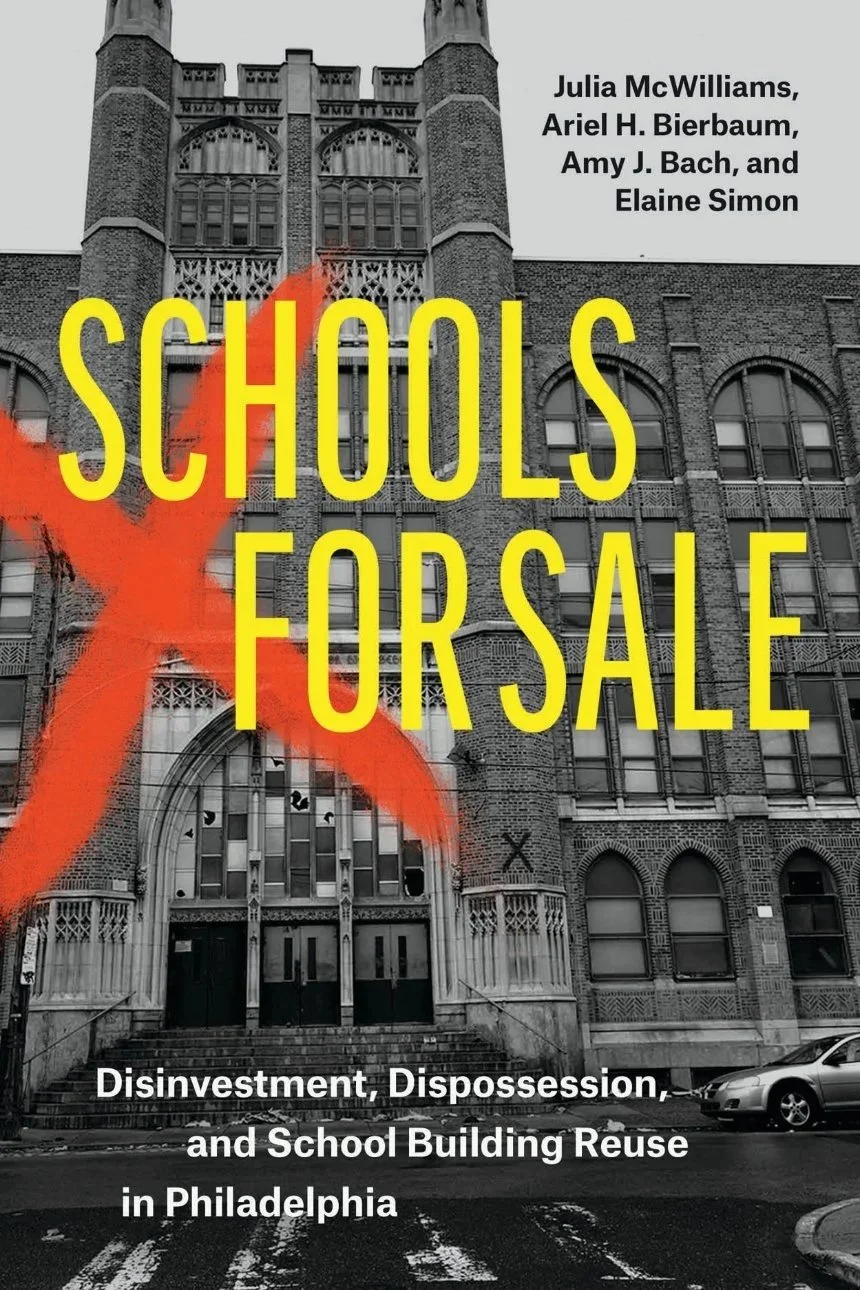
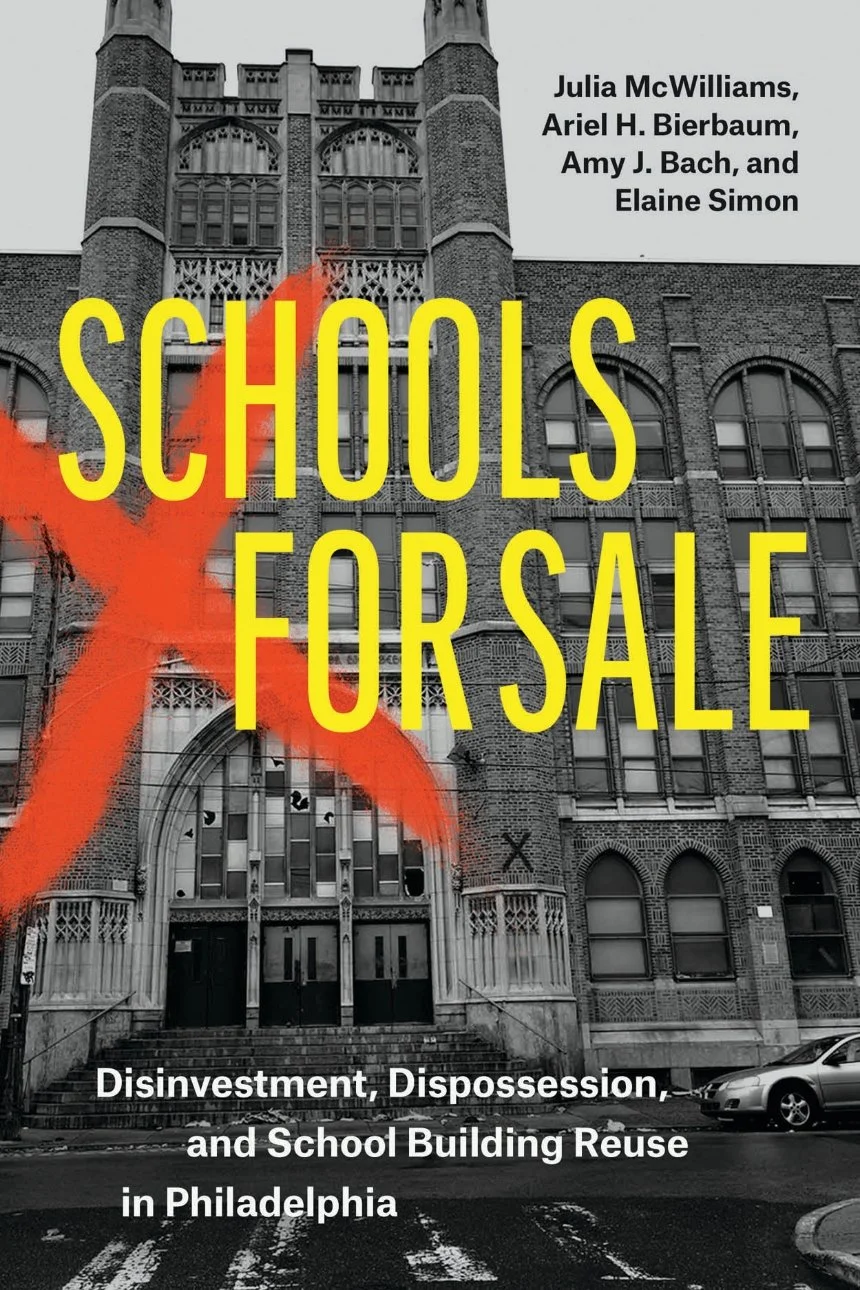
How does the reuse of school buildings reconfigure the relationship between residents, their schools, and neighborhoods?
School districts across the United States have closed thousands of schools since 2000 to cope with chronic underfunding and budget crises, declining enrollment, and poorly maintained buildings. Our knowledge about school closures has focused on battles over closure decision-making and the impacts of closing schools on communities of color in the immediate aftermath of these decisions. But what of the large, sometimes magisterial, formerly public spaces once at the center of community life? How do these now vacant buildings change daily life in the surrounding neighborhood?
In Schools for Sale, Julia McWilliams, Ariel H. Bierbaum, Amy J. Bach, and Elaine Simon examine how school closures change the spatial and social arrangements of neighborhoods. Following a series of school closures in Philadelphia, the authors draw from research in urban studies, education, planning, and geography to explain how race, place, and capital merge to influence the trajectory of closed schools in Black and Brown communities and their surrounding neighborhoods. Some closed schools are repurposed as charter schools, upending the role those buildings have historically played in bringing communities together. Other buildings are sold for commercial development, caught up in cycles of gentrification even as developers foster programs to support community members. Others are left vacant or are demolished in the heart of their neighborhoods, decisions that reflect not only disinvestment in Black communities but the sobering reality of environmental racism.
Drawing needed attention to one of the significant consequences of school closures, Schools for Sale imparts a deeper understanding of the connections between place, race, and education amid broader urban transformations, prompting us to consider how school districts can work toward a new vision for public education and community development.
Schools for Sale
$25.00
Available online And your Local Bookstore




Meet the authors
We are mothers, public school parents, teachers, and researchers whose experience spans disciplines, generations, and geographies. What drives us is an abiding commitment to public education, racial justice, and dismantling the inequitable systems—which have disproportionately benefited us and our children—that shape schools and cities. We are conscious of the displacing effects of Whiteness and thus work to use the capital and privileges that our Whiteness confers to fortify public schools, without reinforcing patterns of oppression.
Our diverse personal education histories and professional experiences are a source of strength for our collaboration. Our different disciplinary perspectives, career trajectories, and geographic locations inform our research and motivate us to make our work accessible to a range of audiences, from scholars to practitioners to community organizers.
Importantly, the data collection for and writing of this book largely occurred amid the COVID-19 global pandemic, where the lines between our personal and academic lives blurred. We were balancing the demands of motherhood and this project in the confines of our homes, managing quarantines, school closures and at-home online learning, and the mental health of our students at our respective universities, while also attuned to the disproportionate impacts borne by low-income, Black, and Brown communities. Writing this book during the height of this ongoing public health crisis reinforced daily the importance of public assets and a collectivist orientation.
We hope that the story we tell will inspire others to ask more questions that challenge the deep failures of the public sector when it centers individual risks (or benefits), rather than shared humanity and collective well-being.
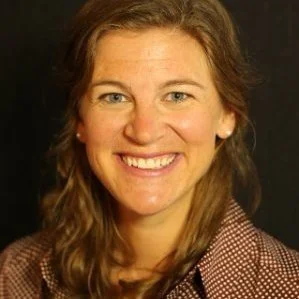
Julia McWilliams is the co-director and faculty member of the Urban Studies Program at the University of Pennsylvania.
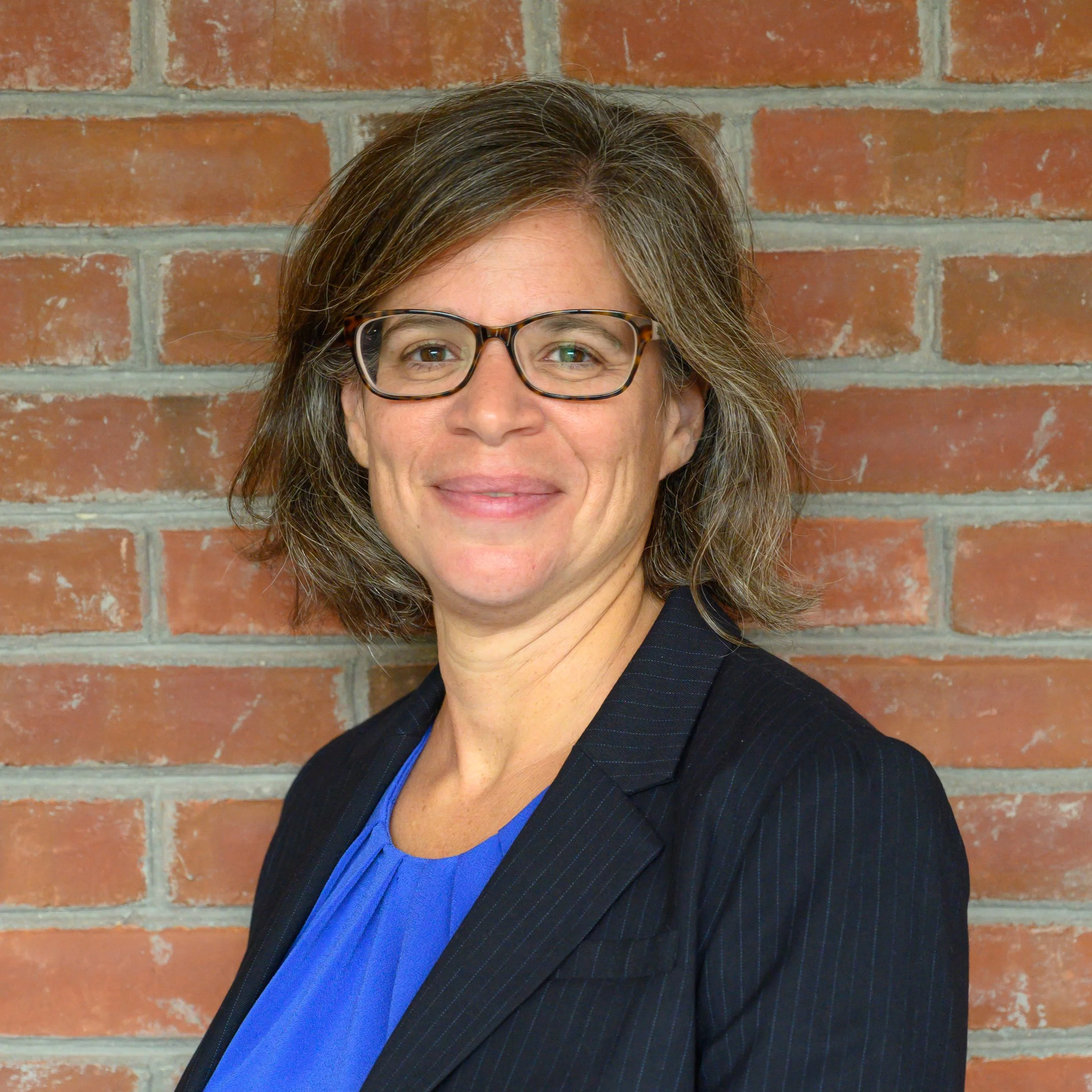
Ariel H. Bierbaum is associate professor of urban studies and planning at the University of Maryland.
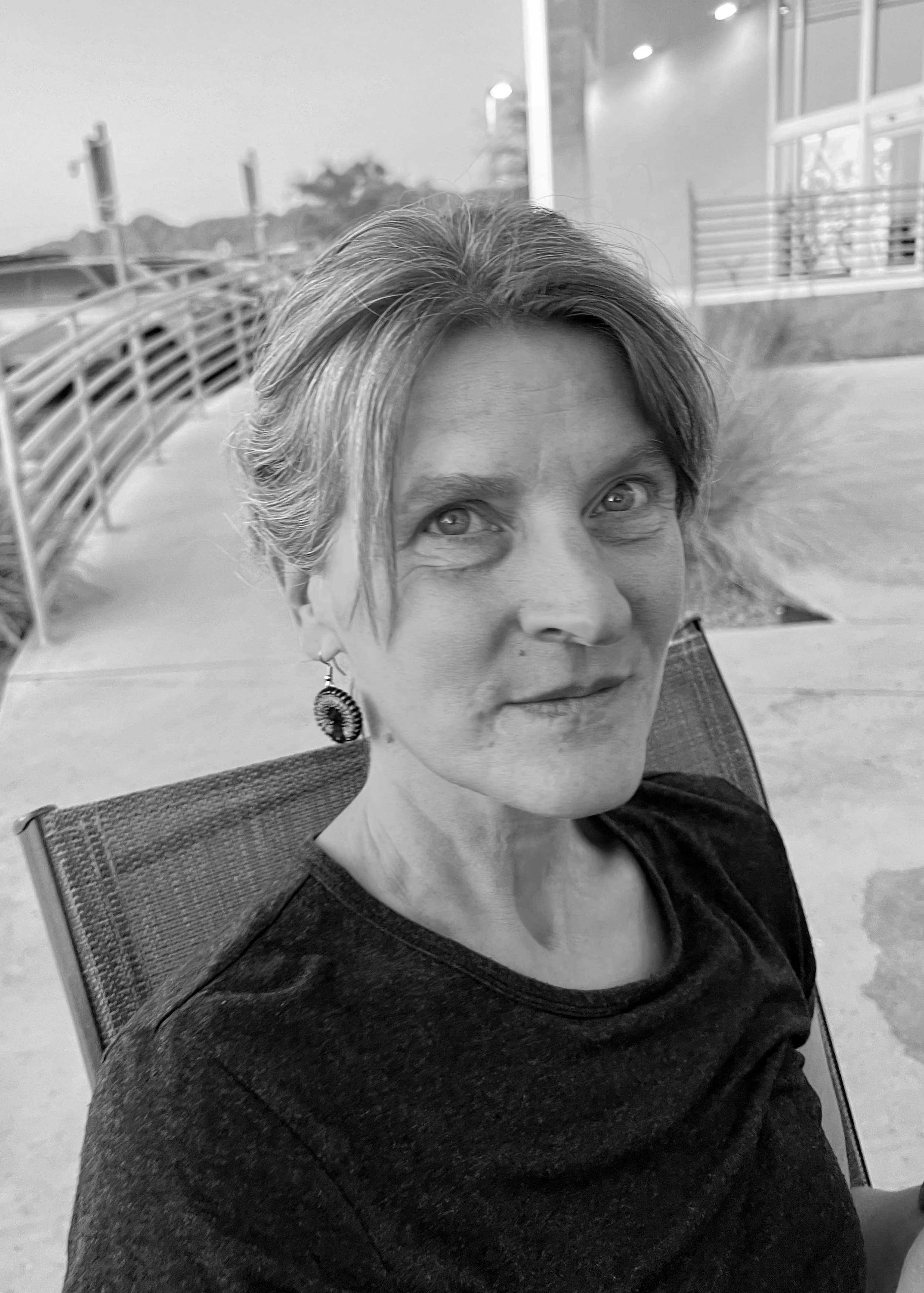
Amy J. Bach is associate professor of literacy/biliteracy studies at the University of Texas at El Paso.
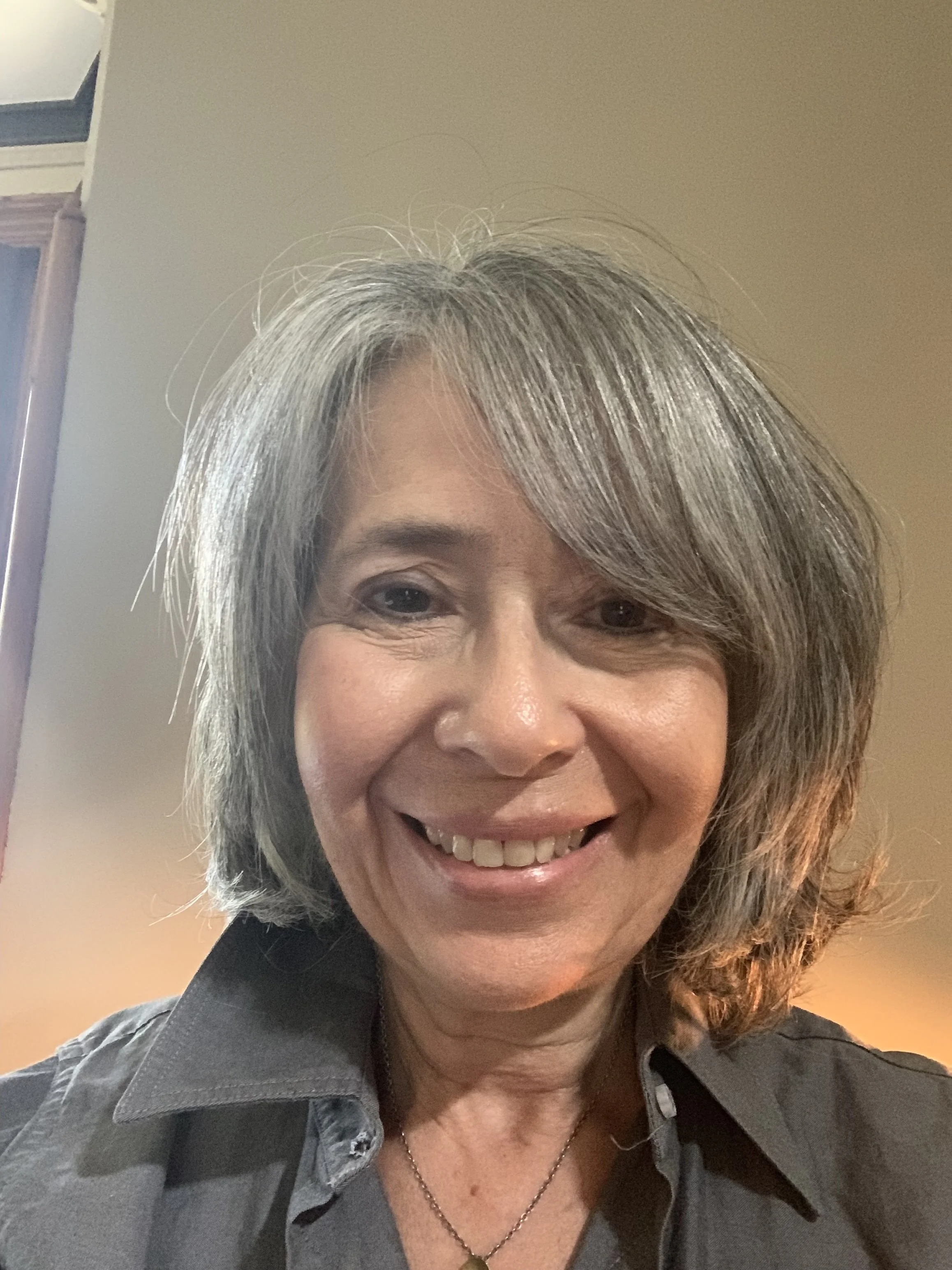
Elaine Simon is an urban anthropologist, retired as co-director of the Urban Studies Program at the University of Pennsylvania.
Reviews
“Schools for Sale allows for a sophisticated analysis of both the harm done to communities by school closings and the potential for reclaiming schools as public goods.”
— Maia Bloomfield Cucchiara, author of Marketing Schools, Marketing Cities: Who Wins and Who Loses When Schools Become Urban Amenities
"This deeply intelligent, emotionally telling story of Philadelphia schools' closings and resale offers innovative writing and photographs of these once-vaulted community institutions, before and after the surrender of their abandoned premises to private uses unaffordable to minority-race neighborhood residents. Four authors provide deeply-researched portraits of this important, understudied form of urban disinvestment and exclusionary reinvestment."
— June Manning Thomas, author of Redevelopment and Race: Planning a Finer City in Postwar Detroit
Hear from us
Podcast: Stretched Podcast Ep. 15: When Schools Close: Community Impact and Responsible Reuse
Ariel Bierbaum in conversation with Jeffrey Vincent, Shannon Jaax, and David Sturtz
Podcast: Stretched Episode 14 Public Schools, Urban Planning & Collective Responsibility
Ariel Bierbaum in conversation with David Sturtz and Mary Filardo
Julia McWilliams writes in The Conversation
June 4, 2026
After 10 years, Chicago school closings have left big holes, and promises unkept.
Ariel Bierbaum quoted on WBEZ / National Public Radio
June 1, 2023
Choose transparency, deliberation, and investment over closure
Julia McWilliams writes in the Philadelphia Inquirer
March 1, 2026
The neighborhood impact when school’s out—forever
feature on Ariel Bierbaum Maryland Today
June 29, 2026
Baltimore closed at least 30 schools in 10 years. More people are asking if that makes sense.
Ariel Bierbaum quoted in The Baltimore Banner
August 8, 2023
When classrooms close, new opportunities open.
Ariel Bierbaum quoted in Planning Magazine
May 15, 2026
‘Who wants to buy it?’: Most shuttered schools across the city will sit vacant
Ariel Bierbaum quoted in The San Antonio Express
July 13, 2026
St. Louis Public Schools needs to cut spending. Closing schools won’t help.
Ariel Bierbaum quoted in The St. Louis Post-Dispatch
September 2, 2025
Learn with us
Book Talk
Ariel Bierbaum
Wednesday December 2, 2026 - 12:30-2:00 pm ET
University of Maryland Libraries - Speaking of Books
College Park, MD
Book Talk
Julia McWilliams, Ariel Bierbaum, Amy Bach, and Elaine Simon
Wednesday, November 11, 2026 - 6:00-7:15 pm ET
Columbia University Seminars: The City
New York City, NY
Book Talk
Ariel Bierbaum
Friday, October 30, 2026 - 12:00-1:30 pm CT
Community and Regional Planning Program, University of Texas at Austin School of Architecture
Austin, TX
Community conversation
Ariel Bierbaum
Thursday, October 29, 2026 - TIME TBD CT
The Baker School, 3908 Avenue B, Austin, TX
Conversation
Ariel Bierbaum with Kayla Anthony, Prince George’s County Public Schools and Ren Southard, Baltimore City Planning Department
Monday, October 19, 2026 - 3:30-4:40 pm ET
American Planning Association Maryland Chapter Annual Conference
Ellicott City, MD
Book Talk
Ariel Bierbaum
Friday, October 2, 2026 - 12:00-1:30 pm PT
Berkeley School of Education Room 4101
University of California-Berkeley | Berkeley, CA
Book Talk
Ariel Bierbaum
Thursday, October 1, 2026 - 3:30-5:00 pm PT
Department of City and Regional Planning, Room 106
University of California-Berkeley | Berkeley, CA
Community Conversation
Ariel Bierbaum
Wednesday, September 29, 2026 - 5:00-6:30 pm PT
North Davis Elementary School, 555 E 14th Street, Davis, CA
conversation
Ariel Bierbaum with Kayla Anthony, Prince George’s County Public Schools
Monday, September 28, 2026 - 2:10-3:10 pm ET
American Planning Association National Capital Area Chapter Annual Conference
Washington, DC
Panel Discussion
Scholars for Social Justice
Julia McWilliams with Akira Rodriguez, Ismael Jimenez, and Karen Falcon
Friday, April 24, 2026 - 6 pm ET
American Grammar | 2046 N. Front Street | Philadelphia, PA
Webinar
Navigating School Closures: What It Takes to Get it Right (view the recording on LinkedIn!)
moderated by Carrie Hahnel, Bellweather
Ariel Bierbaum and Jaime Aquino, San Antonio Independent School District; Warren Morgan, Cleveland Metropolitan School District; and Lisa Relou, Planfully Consulting
Thursday May 28, 2026 - 12-1 pm ET
Book Launch + Author Conversation
Moderated by Rochelle Nichols Solomon
Friday, June 12, 2026 - 6 pm ET
Phila. Ethical Society | 1906 Rittenhouse Square
Philadelphia, PA
WEBINAR
When Schools Close: Community Impact and Responsible Reuse (watch the recording!)
hosted by the National Center on School Infrastructure and the American Planning Association Public Schools and Communities Division
Ariel Bierbaum with Shannon Jaax, Officer of Bond Planning and Construction, Kansas City Public Schools
June 16, 2026 - 11am -12pm PT / 2-3pm ET
Book Talk
Ariel Bierbaum and Amy Bach
Monday, June 22, 2026 - 6-7 pm ET
People’s Book | 7014-A Westmoreland Ave | Takoma Park, MD
conversation
Julia McWilliams and Elaine Simon with Sharif El-Mekki, Camika Royal, PhD and Akira Drake Rodriguez, PhD
Thursday, September 24, 2026 - 5:30-7 pm ET
University of Pennsylvania, Stiteler Hall Room 259 | Philadelphia, PA
Contact Us
Our hope is that the lessons we learned and the suggestions we have can serve other communities across the country. We are open to book talks, workshops, presentations, and conversations.
Are you living in a community affected by school closures or reuse of school buildings? Do you need help articulating concerns or demands for your public officials? Are you working in a school district or government agency struggling with decisions about closures and reuse of your school buildings? Do you need help thinking through policy, implementation, and deep public engagement?
Get in touch!